The Echoes of the Erdtree: A Tarnished's Reflections on Revisiting the Lands Between
Elden Ring's captivating open world offers a profound journey where returning veterans craft their own challenges, transforming familiar demigod battles into personal tests of skill and will.
I stand once more at the foot of the Erdtree, its golden light a familiar, yet distant, warmth. It is 2026, and the echoes of my first journey through the Lands Between have long since settled into memory. Elden Ring, that colossal triumph that crowned 2022 and reshaped our understanding of open worlds, now feels like a well-worn path under my boots. Returning is not a rediscovery, but a conversation with a past self. The awe remains, but it is tempered now by the intimate knowledge of every cliff, every crypt, and every cruel, beautiful secret this land holds. The second playthrough, the third, reveals not flaws, but truths—harsh, beautiful, and deeply personal realities about this world and my place within it.
The initial struggle, that glorious, punishing dance with mortality, has faded. For a veteran Tarnished, the world no longer holds the same terror. The challenge must now be self-imposed. I find myself weaving my own covenants, my own rules into the fabric of the journey. Perhaps I will walk this path as a pure confessor, denying myself the arcane arts I once relied upon. Perhaps I will face the demigods alone, my spirit ashes remaining dormant. I have seen warriors online conquer this world with dance pads, turning combat into a literal performance. The game’s static difficulty becomes a canvas, and we, the players, must paint our own trials upon it. The true boss is no longer Radahn, but our own desire for that first, pure sensation of overcoming the impossible.
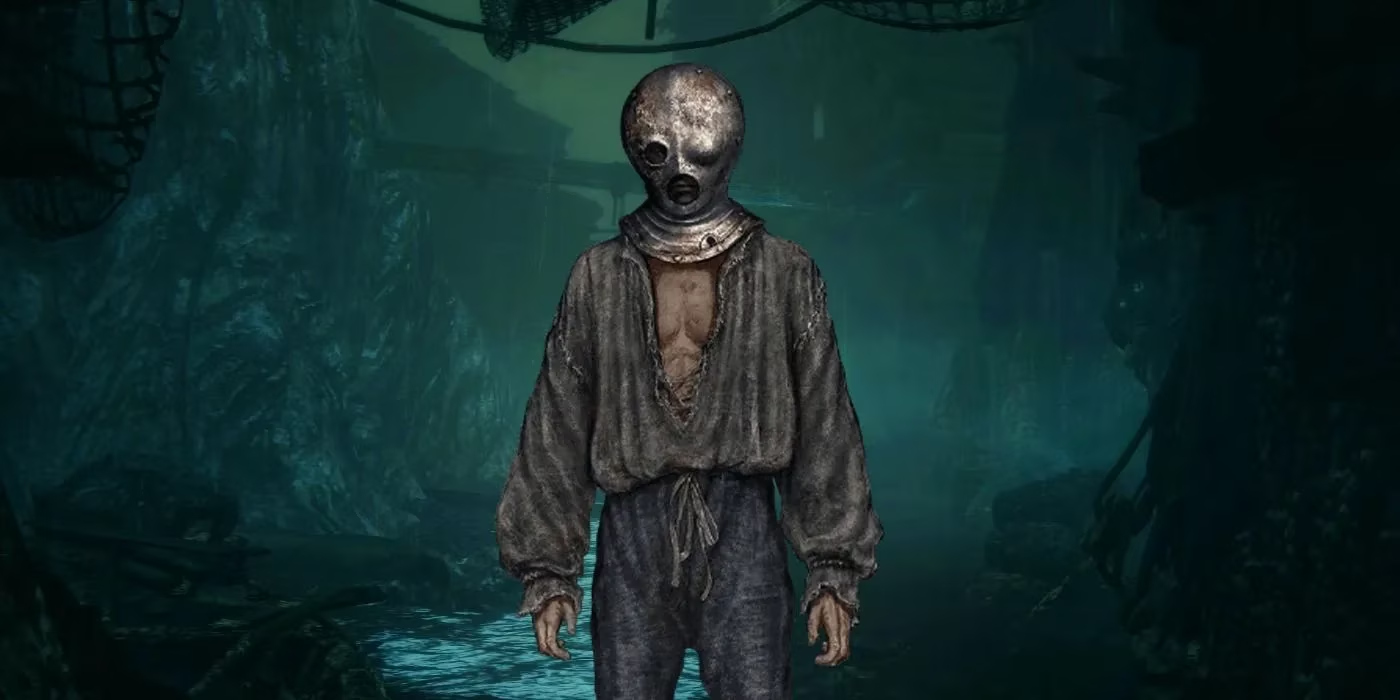
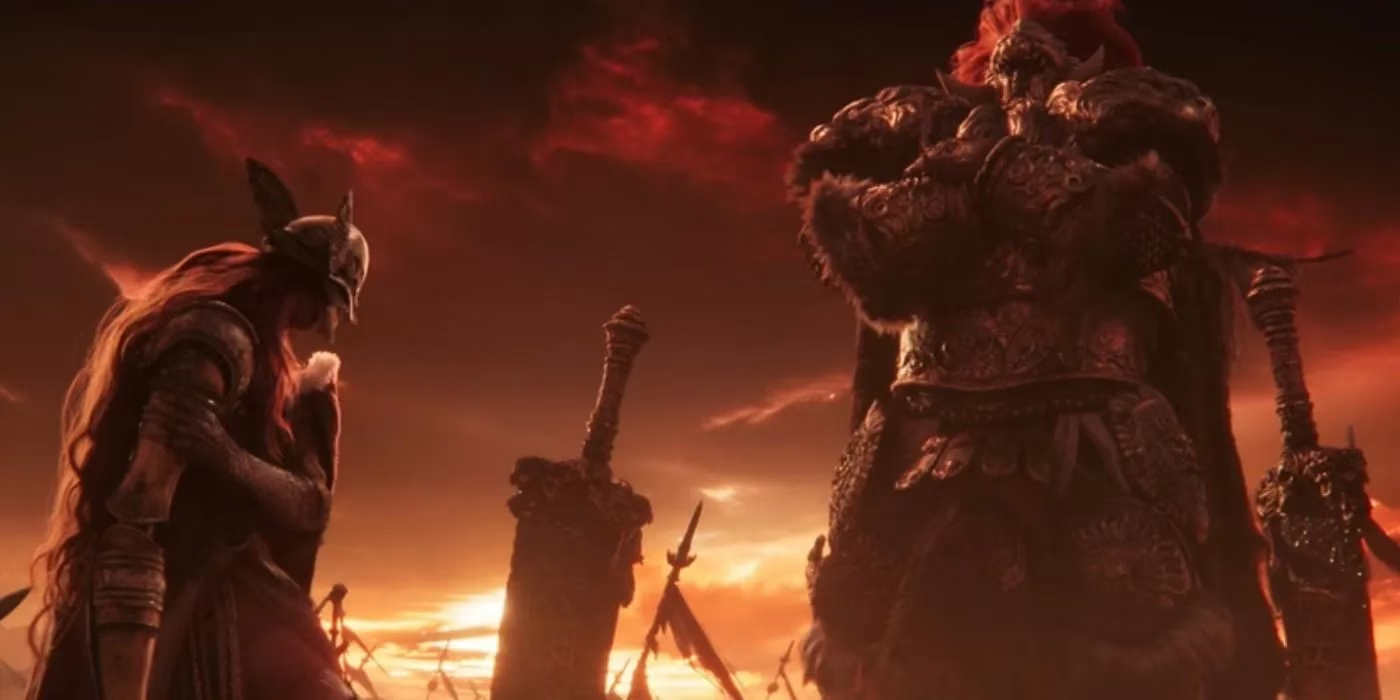
And the demigods… oh, the demigods. I remember the first sight of Starscourge Radahn, a fallen god holding back the stars, a spectacle of tragic grandeur. I remember the heart-stopping terror of Malenia, Blade of Miquella, and her waterfowl dance. Now, they are puzzles to be solved, patterns to be read. The domination they once held over my spirit is gone. The cutscenes, once bone-chilling, are now beautiful vignettes I watch with a scholar’s eye, not a victim’s dread. The loss of that awe is a quiet sorrow. You can never truly meet them for the first time again. The fights are no less elegant, but the raw, emotional intensity has been banked like a spent rune.
The world itself has evolved since those early days. I recall the confusion, the missed steps in quests that felt like fragile spiderwebs, easily broken by exploring in the "wrong" order. Now, the journey feels more guided, if still mysterious. The updates have woven a subtle structure—NPC markers on the vast map, clearer prerequisites for epic encounters. Replaying now, it’s a shock to remember how easily one could stumble into the Radahn festival without context, missing the profound sadness of his lore. The improvements are welcome, yet they highlight the original, beautifully chaotic design. It makes me wonder: was the confusion part of the charm?
My travels feel more familiar, and in that familiarity, I notice absences. FromSoftware has always gifted us with iconic, dense urban labyrinths—Yharnam’s Gothic alleys, Anor Londo’s dizzying heights. The Lands Between has Stormveil, a masterpiece of verticality and dread, and Leyndell, a golden, haunting capital. But for a world so vast, I yearn for one more castle of that scale, one more city teeming with secrets and sorrow. The balance is exquisite—the Academy of Raya Lucaria, the volcanic manor—yet on replay, the map feels slightly weighted, leaving spaces where another grand, cursed monument could have stood.
My vanity, too, has been chastened. I once coveted the Raging Wolf set, its cape flowing in the wind of the Altus Plateau. But in New Game+, as enemies hit with the force of falling stars, aesthetics often bow to cold, hard statistics. The armor with the best poise or immunity is rarely the most majestic. The game teaches a brutal pragmatism: survival over style, unless your skill is absolute. I long for a simple transmog system, a way to wear the stats of a bull-goat while bearing the visage of a night’s cavalry. It is a small wish, born from the desire to be both powerful and poetic in this unforgiving land.
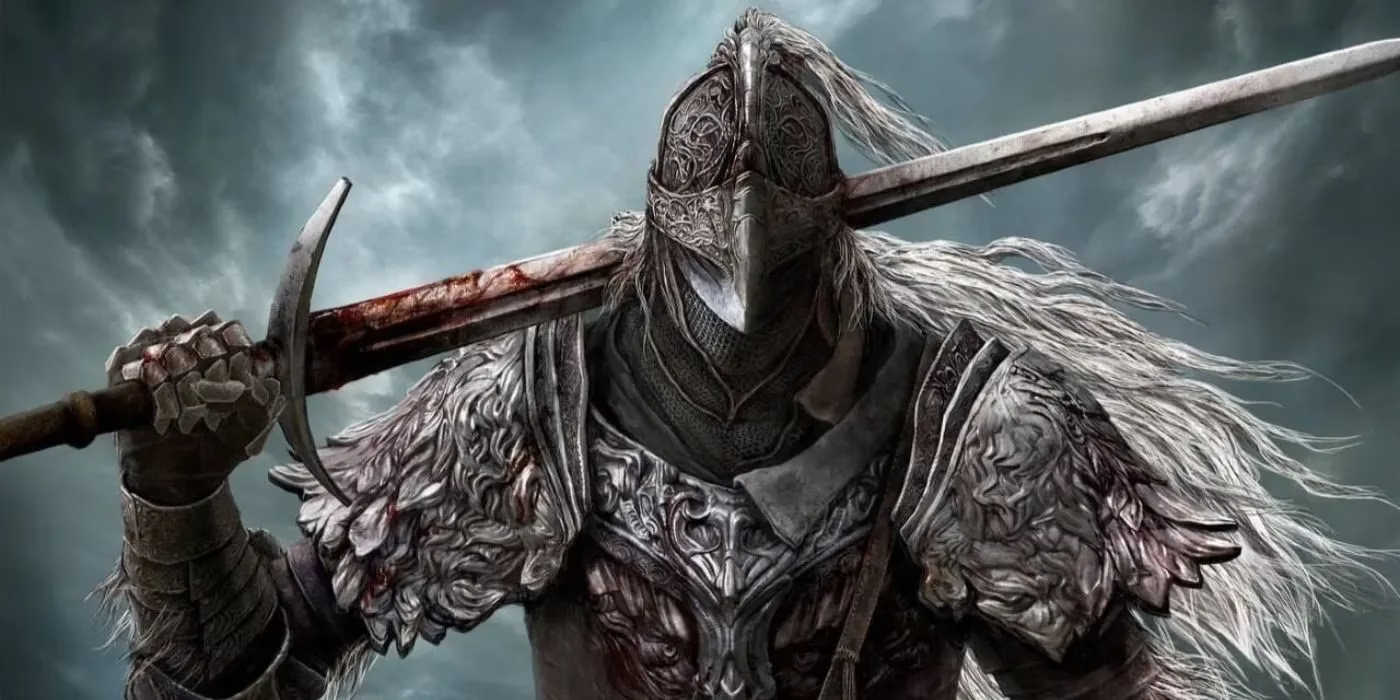
The lack of a quest tracker remains a defining, double-edged feature. The immersion is pristine; my screen is a window into the world, not a clutter of objectives. Yet, on this return journey, trying to recall the precise steps to complete the tale of the humble pot warrior or the tragic witch-hunter, I am often adrift. I resort once more to external guides, breaking the very immersion the design seeks to protect. FromSoftware’s silence here is intentional—it forces exploration, chance encounters, and a world that feels alive beyond my comprehension. It is a philosophy I respect, even as it frustrates my completionist heart.
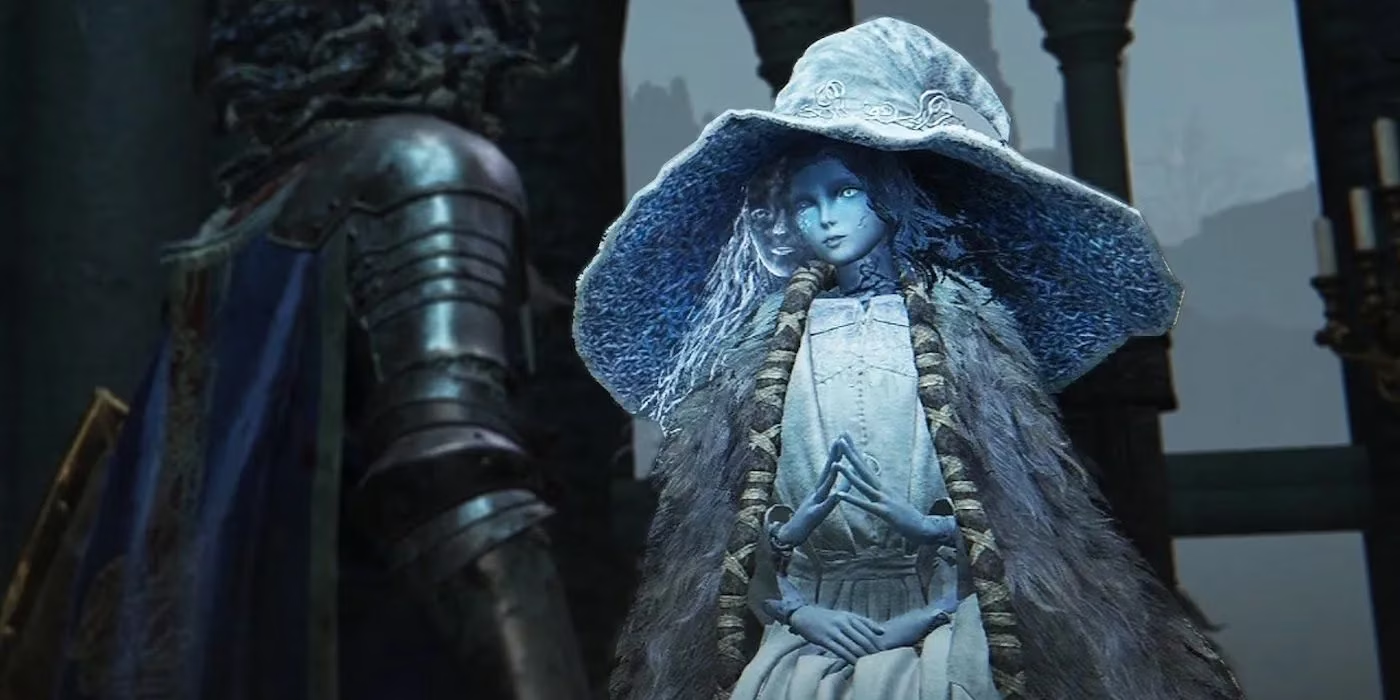
Some characters, I find, have faded in my memory more than others. Melina, my designated Maiden, feels like a ghost. She appears, offers cryptic guidance, and vanishes. Her sacrifice, when it comes, feels like a plot point rather than a emotional climax. Compared to the rich, tragic arcs of Ranni or the steadfast loyalty of Boc, she is a whisper when she should have been a melody. She needed more presence, more scenes to make her fate resonate in my soul. The Roundtable Hold, too, reveals its limits. It is a refuge, yes, but a static one. Its role in the grand narrative feels minimal, a waiting room for the Tarnished rather than a heart pumping blood into the story. On a first playthrough, it feels vast with potential; on a replay, it feels like a beautiful, underutilized set.
And then, the end. Radagon is a masterpiece—a furious, golden symphony of combat. But the Elden Beast… it remains a beautiful, frustrating contradiction. Its design is sublime, a creature of cosmic light, but the arena is too vast, the chase too tedious. In a game where the spectral steed Torrent is a companion for vast journeys, his absence in this final, sprawling battle feels like a missed opportunity for poetic closure. The fight becomes a test of patience as much as skill, a slightly sour note at the end of an epic ballad.
Finally, the greatest truth a replay reveals: the world, once infinite, now has borders I can sense. The Lands Between is colossal, but I have mapped its sorrows. I know where every catacomb lies, every evergaol is sealed. The wonder of endless expansion is gone, replaced by the intimate knowledge of a conqueror. I find myself gazing at the horizon, hoping. The promise of DLC lingers in the community’s heart—new lands, new mysteries. For now, in 2026, Elden Ring feels complete, yet I hunger for more. It is not a criticism, but a testament to its power. It gave me a world so magnificent that learning its every corner feels, somehow, like wanting just one more secret, one more forgotten castle under a strange sky. The journey is over, but the longing it ignited within this Tarnished burns on.